
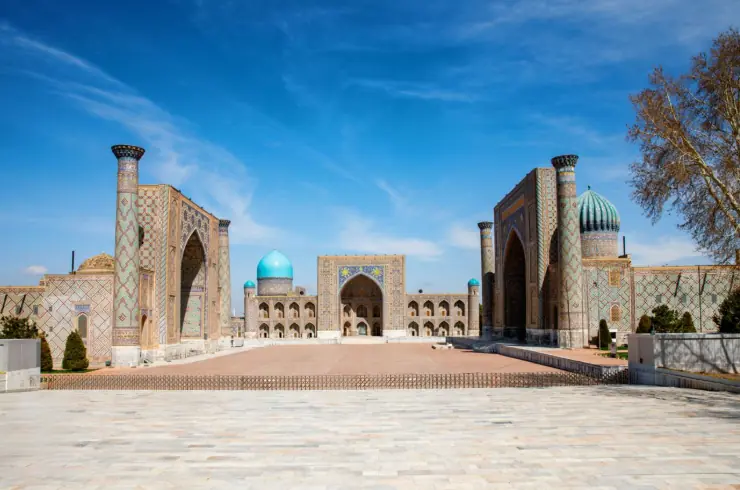
The best time to visit Central Asia in 2027 depends on the experiences you want to enjoy. Spring brings comfortable weather to historic Silk Road cities, summer opens up spectacular mountain landscapes, and autumn offers pleasant temperatures for exploring several countries in one holiday.
For Malaysian travellers, Central Asia offers a refreshing change from tropical weather. Kazakhstan, Kyrgyzstan, Uzbekistan, Tajikistan and Turkmenistan experience distinct seasons, with conditions ranging from hot deserts to snow-covered mountain valleys.
Choosing the right month can make a significant difference to your sightseeing experience, travel comfort and itinerary.
This guide explains Central Asia’s weather by season, the best months for each country and how to plan a memorable 2027 holiday from Malaysia.
When Is the Best Time to Visit Central Asia in 2027?
April to May and September to October are generally the best months to visit Central Asia for cultural sightseeing and multi-country holidays.
These periods offer a balance of comfortable temperatures, attractive landscapes and suitable conditions for exploring historic cities such as Samarkand, Bukhara, Tashkent and Almaty.
However, travellers interested in high-altitude destinations may prefer a different season.
June to September is generally more suitable for Kyrgyzstan’s mountain regions, alpine lakes and many trekking routes. July and August are particularly popular for outdoor activities in the Tian Shan Mountains and Tajikistan’s Pamir region.
Winter, from December to February, can also be rewarding for travellers interested in skiing, snowy landscapes and seasonal experiences in Kazakhstan or Kyrgyzstan.
For first-time Malaysian visitors planning a multi-country holiday, spring and autumn are usually the easiest seasons to organise.
Travellers can explore Paradigm Travel’s Central Asia tour packages to compare destinations, sightseeing programmes and suitable travel durations.
Central Asia Weather by Month: 2027 Travel Calendar
Central Asia covers an enormous geographical area, so the weather can vary significantly between countries and elevations.
The following table provides a general seasonal guide for planning a 2027 holiday.
| Month | Typical Conditions | Travel Recommendation |
| January | Very cold, snow in many regions | Winter sports and snow experiences |
| February | Cold with winter conditions | Skiing and winter photography |
| March | Early spring in lower areas; mountains remain cold | Cultural sightseeing and Nauryz celebrations |
| April | Generally milder, with spring greenery | Excellent for Uzbekistan and Kazakhstan sightseeing |
| May | Pleasant in many cities; mountains warming | One of the best months for cultural tours |
| June | Hotter lowlands; mountain travel season begins | Good for lakes, mountains and selected multi-country routes |
| July | Very hot deserts; favourable alpine conditions | Best for higher-altitude adventures |
| August | Continued summer heat; mountain activities popular | Trekking and outdoor holidays |
| September | Cooling temperatures and early autumn scenery | Excellent for multi-country sightseeing |
| October | Comfortable historic-city weather; colder mountains | One of the best months for Silk Road tours |
| November | Increasingly cold, especially at higher elevations | Quieter city-focused holidays |
| December | Cold weather and snowfall in many regions | Winter sightseeing and seasonal activities |
These are typical seasonal patterns rather than a specific weather forecast for 2027. Actual conditions will depend on location, altitude and short-term weather changes.
Spring in Central Asia: March to May
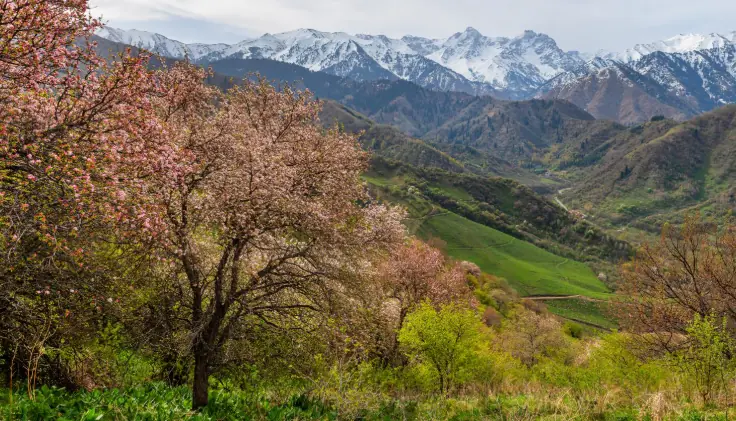
Spring is one of the most appealing times to explore Central Asia, particularly for Malaysian travellers who prefer comfortable temperatures and cultural sightseeing.
After the cold winter, many valleys and lower landscapes gradually become greener. Trees begin flowering, parks come back to life and historic cities become more pleasant to explore on foot.
Temperatures can still change quickly during early spring, especially in Kazakhstan and Kyrgyzstan, where mountains and higher elevations may remain snowy.
March: Nauryz Celebrations and Early Spring
March marks the transition from winter to spring across much of Central Asia.
One of the region’s most important cultural celebrations is Nauryz, also known as Nowruz or Navruz, the traditional spring new year observed around 21 March.
Celebrations can include traditional food, music, cultural performances and community gatherings, although programmes differ between countries and cities.
Kazakhstan is particularly attractive for travellers interested in experiencing these traditions.
Paradigm Travel lists a 6D5N Nauryz Tour of Almaty, offering a relevant itinerary to enquire about when planning a spring holiday. Travellers should confirm the actual 2027 festival programme and available departure dates before booking.
March can still be chilly, so warm clothing remains important.
April: Ideal for Silk Road Sightseeing
April is an excellent month for visiting Uzbekistan’s historic cities.
Samarkand, Bukhara and Tashkent generally experience more comfortable sightseeing conditions than during the height of summer.
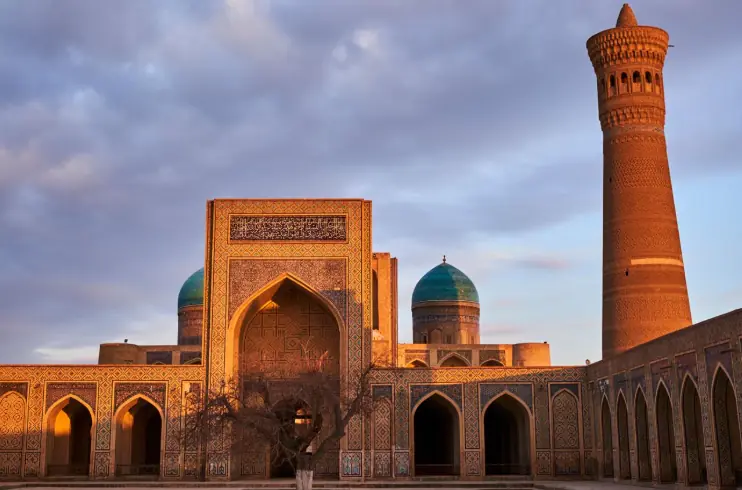
Walking through Registan Square, exploring traditional bazaars and visiting historic madrasas becomes more enjoyable when temperatures are relatively mild.
Kazakhstan also begins to offer attractive spring scenery, especially around Almaty and the surrounding countryside.
For travellers who enjoy history, architecture and photography, April is one of the strongest months to consider.
May: Comfortable Weather and Greener Landscapes
May continues to offer favourable conditions in many lower-elevation destinations.
Parks and valleys around Almaty become greener, while Uzbekistan remains attractive for cultural tours before the strongest summer heat arrives.
This month can suit families, couples and senior travellers who prefer a balanced schedule of sightseeing and outdoor experiences.
However, some high mountain passes and remote trekking routes may still be affected by snow.
For travellers primarily interested in Uzbekistan’s Silk Road heritage, the 8D7N Uzbekistan tour is a suitable itinerary reference when considering a spring holiday.
Summer in Central Asia: June to August
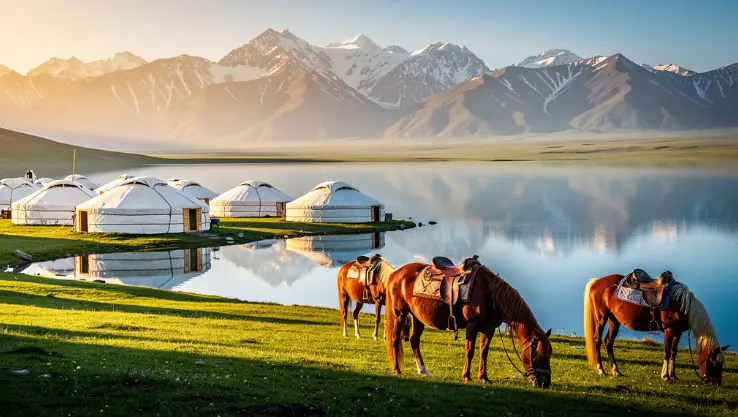
Summer offers some of Central Asia’s most impressive outdoor experiences, particularly in Kazakhstan, Kyrgyzstan and Tajikistan.
As snow recedes from mountain regions, alpine lakes, highland pastures and trekking routes become more accessible.
However, summer weather is not equally comfortable across the entire region.
Cities and desert areas in Uzbekistan and Turkmenistan can become extremely hot, with temperatures sometimes rising above 35°C or even 40°C.
This makes destination selection especially important.
June: The Beginning of Mountain Travel Season
June is a particularly appealing month for travellers interested in both cultural sightseeing and natural landscapes.
Kyrgyzstan’s valleys become greener, while mountain tourism activities begin increasing as seasonal routes open.
Lake Issyk-Kul becomes an attractive destination, although swimming conditions and lake temperatures may still be cooler than in July or August.
Around Almaty, visitors can explore Charyn Canyon, mountain viewpoints and selected alpine lake destinations depending on road access.
Paradigm Travel’s 7D6N Almaty Region Golden Ring of Seven Rivers tour is one option to compare for travellers interested in Kazakhstan’s natural scenery.
July: Best for High-Altitude Adventures
July is among the strongest months for mountain-focused travel in Central Asia.
In Kyrgyzstan, destinations such as Issyk-Kul, Song-Kul and the Tian Shan Mountains become particularly attractive for trekking, horse riding and exploring nomadic traditions.
Travellers may also experience stays in traditional yurts, subject to the availability of seasonal camps.
Tajikistan’s Pamir region is another important summer destination. High mountain routes are generally most accessible during this period, although road conditions and weather must still be checked carefully.
For Malaysians who enjoy outdoor adventure, July offers excellent opportunities.
However, travellers planning to spend significant time in Bukhara, Khiva or Turkmenistan should prepare for intense summer heat.
August: Mountain Scenery and Outdoor Experiences
August remains popular for alpine adventures.
Kyrgyzstan’s mountain lakes, highland pastures and trekking destinations are generally accessible, while Kazakhstan offers opportunities for scenic drives and outdoor excursions.
Families travelling during school holidays may find August convenient, especially when the itinerary focuses on higher-altitude destinations.
It is worth booking suitable mountain accommodation and transport in advance because summer is a popular travel period in several areas.
Travellers should also carry warm layers. Even when lower cities experience hot weather, mountain evenings can become surprisingly cold.
Autumn in Central Asia: September to November
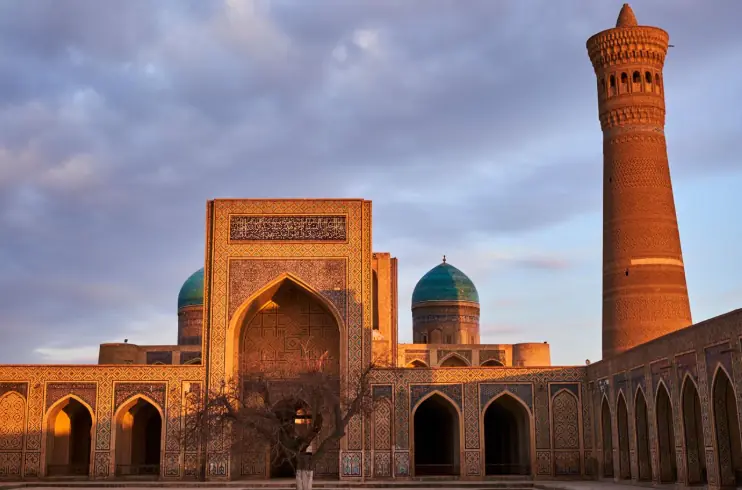
Autumn is often the most practical season for travellers planning to visit several Central Asian countries in one journey.
After the intense summer heat, many historic cities become more comfortable for walking and outdoor sightseeing.
In Kazakhstan and Kyrgyzstan, autumn can also bring attractive colours to forests, valleys and mountain landscapes.
September: One of the Best Months for Multi-Country Tours
September is an excellent choice for a balanced Central Asia itinerary.
Uzbekistan begins moving away from the hottest summer conditions, making visits to Samarkand, Bukhara and Tashkent more comfortable.
Kazakhstan also offers pleasant opportunities for sightseeing and exploring the Almaty region.
In Kyrgyzstan, many mountain destinations remain accessible during early September, although higher elevations become progressively colder as the month advances.
For travellers who want to combine cultural attractions with nature, September is one of the most versatile months.
A journey covering Kazakhstan and Uzbekistan can provide a particularly appealing combination of mountain scenery, historic cities and traditional culture.
Travellers can compare the 7D6N Kazakhstan and Uzbekistan tour when researching shorter multi-country itineraries. Its published departures should be reconfirmed for 2027.
October: Excellent for Uzbekistan and Cultural Holidays
October is another strong option, especially for travellers interested in the Silk Road.
Uzbekistan’s historic cities typically offer more comfortable temperatures than in midsummer, allowing visitors to spend longer periods exploring monuments and traditional markets.
Turkmenistan also becomes more suitable for outdoor sightseeing as the desert heat decreases.
Kazakhstan’s autumn landscapes can be particularly attractive during early October, although temperatures may fall quickly towards the end of the month.
For Malaysian travellers who prefer cultural experiences rather than strenuous trekking, October is one of the best months to consider.
November: Quieter Travel with Colder Weather
November brings noticeably cooler conditions to much of Central Asia.
Some lower-elevation cities remain suitable for sightseeing, although shorter daylight hours and colder evenings should be considered.
High mountain regions become more challenging as snow and freezing temperatures return.
November can appeal to travellers who prefer quieter historic cities and do not mind wearing warmer clothing.
However, a mountain-heavy itinerary is generally better planned earlier in the year.
Winter in Central Asia: December to February
Winter transforms many parts of Central Asia into snowy landscapes.
Kazakhstan and Kyrgyzstan are especially appealing for travellers interested in winter sports, mountain resorts and seasonal photography.
Around Almaty, mountain destinations such as Shymbulak attract visitors interested in skiing and winter scenery.
Kyrgyzstan also offers winter activities around selected mountain areas, including the Karakol region.
Winter travel requires more preparation than a typical spring or autumn holiday. Temperatures in Kazakhstan can fall well below freezing, particularly in northern regions such as Astana.
Snow and icy conditions may also affect mountain roads and some outdoor sightseeing routes.
For Malaysians who have never experienced a snowy winter, this can be an exciting holiday option, but it is important to choose an itinerary designed specifically for winter conditions.
Paradigm Travel’s Kazakhstan tour options provide a starting point for exploring different regional itineraries and discussing suitable seasonal activities.
Best Time to Visit Each Central Asian Country in 2027
Although Central Asia is often discussed as one destination, the ideal travel season differs between its five countries.
Kazakhstan: April-June and September-October
Kazakhstan offers a wide variety of experiences, from modern cities to mountain lakes and dramatic canyons.
April to June is attractive for spring landscapes and sightseeing around Almaty.
September and October provide another favourable period, particularly for cultural activities and autumn scenery.
Travellers interested in high-altitude hiking may prefer summer, while December to February is suitable for winter sports.
The right month depends on whether your itinerary focuses on cities, mountain scenery or outdoor adventure.
Kyrgyzstan: June–September
Kyrgyzstan is particularly rewarding during the summer months.
Its high mountain valleys, lakes and seasonal yurt camps are major attractions for visitors interested in nature and nomadic culture.
July and August generally provide the most favourable window for many high-altitude trekking experiences.
June and September can also be attractive, especially for travellers who prefer fewer visitors and a quieter atmosphere.
Some remote locations may remain inaccessible during early or late season because of snow, so route planning is essential.
Uzbekistan: April–May and September–October
Uzbekistan is one of the strongest choices for cultural travel.
The historic cities of Samarkand, Bukhara and Khiva are particularly appealing in spring and autumn.
April and May generally provide comfortable opportunities for exploring architecture, religious landmarks and traditional markets.
September and October are similarly attractive as the hottest summer weather begins to ease.
For first-time Malaysian travellers, Uzbekistan’s spring and autumn seasons offer a good balance of sightseeing comfort and cultural experiences.
Tajikistan: May–June and September for Lower Areas; July–August for High Mountains
Tajikistan has particularly varied conditions because of its mountainous geography.
Dushanbe and selected lower-elevation destinations can be pleasant during spring and early autumn.
For the Pamir Highway and more demanding mountain expeditions, July and August are usually the strongest months because many high passes are more accessible.
Even in summer, high-altitude areas can experience cold nights and sudden weather changes.
Travellers should consider their fitness, altitude tolerance and the type of transport needed before planning a Tajikistan adventure.
Turkmenistan: April–May and September–October
Turkmenistan’s desert climate makes spring and autumn the most comfortable periods for sightseeing.
April and May offer better conditions for exploring historical sites and outdoor attractions before the hottest summer weather.
September and October are also favourable as temperatures decrease.
For visitors planning to explore Ashgabat, ancient Merv or desert landscapes, these months are generally more suitable than July and August.
Tourists should also allow sufficient time for entry arrangements, including any required visa and invitation documentation.
Best Time for a 3-Stan vs 5-Stan Central Asia Tour
Travellers planning to visit several countries should consider the season across the entire route, rather than choosing dates based on a single destination.
Best Months for a 3-Stan Tour
A common 3-Stan itinerary combines Kazakhstan, Kyrgyzstan and Uzbekistan.
For a balance of historic cities and scenic destinations, May, June and September are particularly appealing.
May is well suited to Uzbekistan and Kazakhstan, although some high-altitude Kyrgyzstan destinations may still have limited access.
June brings better opportunities for mountain excursions while allowing travellers to include cultural attractions.
September provides another strong balance, with improving sightseeing conditions in Uzbekistan and generally suitable opportunities for mountain travel earlier in the month.
Best Months for a 5-Stan Tour
A complete 5-Stan tour adds Tajikistan and Turkmenistan to Kazakhstan, Kyrgyzstan and Uzbekistan.
Choosing the best season is more complicated because these countries have different climate patterns.
Late spring and early autumn provide more comfortable conditions for desert and cultural destinations, but access to remote mountain routes may be limited.
For routes that include the Pamir Highway and high-altitude Kyrgyzstan destinations, summer may be more practical despite the heat in Uzbekistan and Turkmenistan.
Late June or early September can offer a useful compromise, depending on the exact route. However, travellers should expect some weather trade-offs rather than assuming every country will experience ideal conditions simultaneously.
A well-planned itinerary should account for regional weather, available transport and the pace of travel.
How Central Asia’s Seasons Affect Travel Costs
The time of year can influence accommodation rates, transport demand and the availability of certain travel experiences.
Spring and autumn are popular for Silk Road sightseeing, so hotels and organised tours in major destinations may experience higher demand.
Summer is particularly busy around Kyrgyzstan’s mountain lakes, trekking routes and seasonal camps.
Winter may offer opportunities for quieter city travel, although ski resorts and popular mountain areas can have their own peak periods.
For Malaysian travellers planning a 2027 holiday, booking earlier can provide more flexibility when choosing flights, accommodation and preferred tour arrangements.
Rather than assuming that one entire season is cheaper, compare quotations for the specific countries and destinations included in your trip.
Practical Central Asia Travel Tips for Malaysians in 2027
Preparing for Central Asia is slightly different from planning a holiday in Malaysia or other tropical destinations.
Pack for Different Temperatures
Even during spring and autumn, temperatures can vary significantly between cities and mountain regions.
Lightweight clothing is useful for warmer sightseeing days, while a jacket or fleece is important for cooler evenings.
Travellers visiting high-altitude areas should bring suitable warm layers regardless of the season.
Comfortable walking shoes are also essential for historic streets, markets and outdoor attractions.
Plan Flights and Border Crossings Carefully
Kuala Lumpur has had direct services to regional gateways such as Almaty and Tashkent, although 2027 operating schedules should be confirmed before booking.
For multi-country journeys, consider arriving in one city and departing from another to avoid unnecessary backtracking.
Border crossings and regional transfers can take time, particularly when travelling to Tajikistan or Turkmenistan.
Malaysian passport holders should also verify the latest entry rules for every country on their itinerary.
Allow Enough Time for Each Destination
Trying to visit too many countries in a short period can turn an enjoyable holiday into a demanding travel schedule.
A two-country trip can work well in approximately seven to nine days.
A three-country journey generally benefits from around 10–13 days, while an extensive five-country itinerary may require more than two weeks.
Longer travel durations are particularly important when including remote mountain destinations.
Consider Seasonal Festivals and Local Holidays
Central Asia’s cultural celebrations can add meaning to a holiday.
Nauryz is an important spring festival across several countries, while local harvest celebrations and traditional cultural activities may take place during other seasons.
However, specific programmes, locations and schedules for 2027 should be verified before making bookings.
Travellers interested in cultural events should allow flexibility because a festival date may affect accommodation availability and local transportation.
Choose the Right Travel Style
Families and senior travellers may prefer spring or autumn cultural itineraries with comfortable sightseeing temperatures and fewer demanding journeys.
Couples may enjoy combining Silk Road cities with mountain viewpoints, lakes and scenic accommodation.
Adventure travellers may prefer summer to access higher mountain destinations.
A customised itinerary allows travellers to choose the season and destinations that suit their preferences rather than following an unsuitable fixed schedule.
Frequently Asked Questions
What Is the Best Month to Visit Central Asia in 2027?
May and September are among the most versatile months for many Central Asia itineraries. They offer a balance of cultural sightseeing and nature experiences, although high mountain activities may be better suited to July and August.
Is Central Asia Too Hot in July and August?
Parts of Uzbekistan, Turkmenistan and lower-elevation areas can become extremely hot in summer. However, Kazakhstan, Kyrgyzstan and Tajikistan offer cooler mountain destinations that can be particularly rewarding during these months.
When Is the Best Time to Visit Uzbekistan?
April, May, September and October are generally the best months for exploring Uzbekistan’s historic Silk Road cities. These periods are more comfortable for outdoor sightseeing than the peak summer heat.
Is September a Good Time for a Central Asia Tour?
Yes. September is one of the strongest months for a multi-country holiday, especially when combining Uzbekistan with Kazakhstan and selected destinations in Kyrgyzstan. High-altitude conditions should still be checked.
Can I Visit Central Asia During Winter?
Yes. Kazakhstan and Kyrgyzstan are particularly attractive for winter sports and snow experiences. However, extensive mountain routes and some multi-country journeys may be affected by snow, freezing temperatures and reduced accessibility.
Plan Your Central Asia Holiday in 2027 with Paradigm Travel
The best time to visit Central Asia depends on whether your ideal holiday focuses on Silk Road history, mountain scenery, outdoor adventure or seasonal cultural experiences.
For Malaysian travellers interested in historic cities and comfortable sightseeing weather, April to May and September to October are generally excellent choices. Travellers who want to explore Kyrgyzstan’s alpine lakes or Tajikistan’s high mountains may prefer the warmer summer months.
Choosing the right destinations and travel dates together is the key to a more comfortable and rewarding journey.
Paradigm Travel Sdn Bhd can help Malaysian travellers compare suitable Central Asia itineraries, explore guided group or private tour options and organise travel arrangements according to their preferred countries, dates and travel style.
To begin planning your Central Asia holiday in 2027, contact Paradigm Travel for advice on available itineraries and customised travel arrangements.
Paradigm Travel Sdn Bhd
Email: tours@paradigmtravel.com.my
Phone: 03 2779 0588
